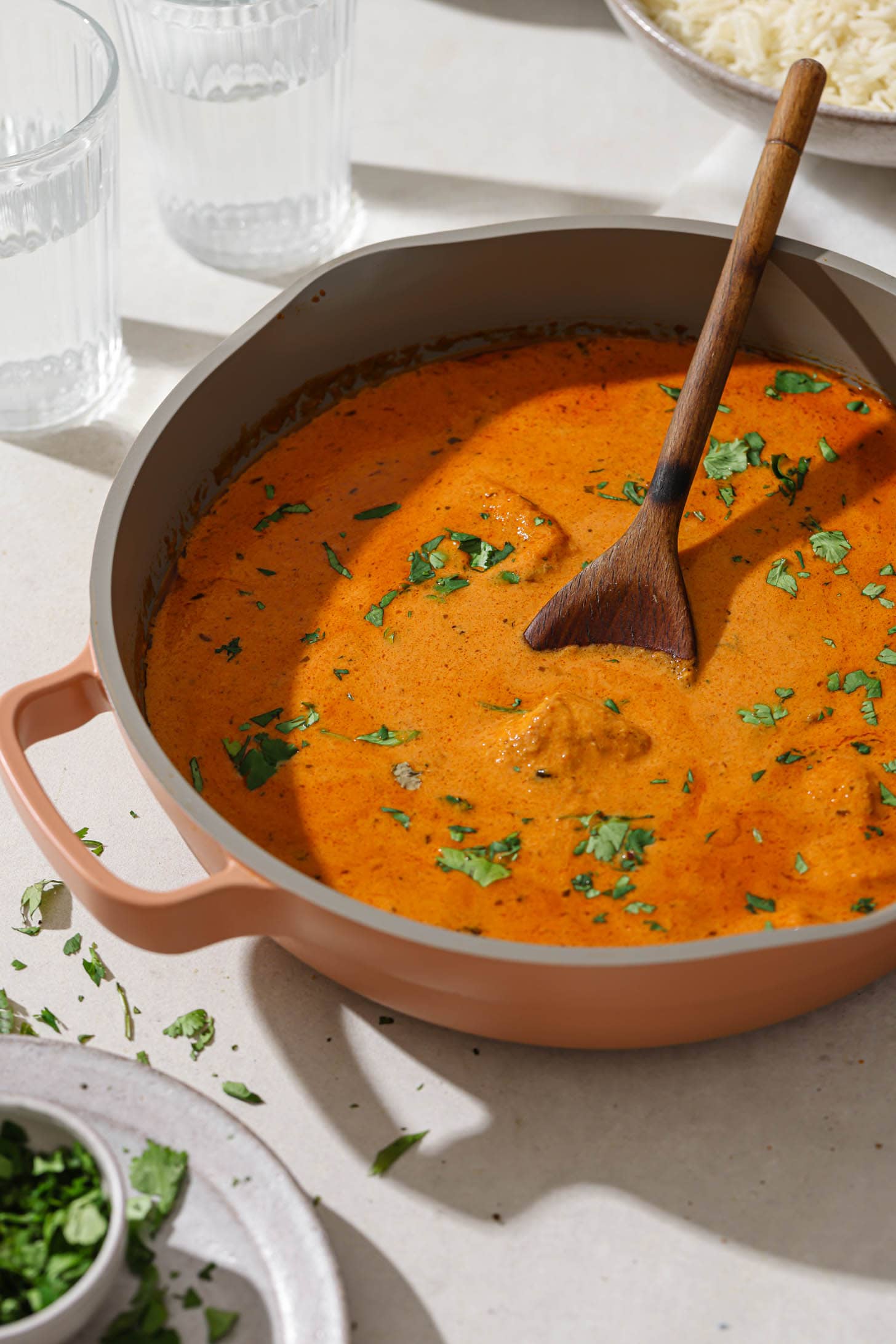
Achieve Restaurant-Style Butter Chicken: Expert Tips Revealed
The allure of a rich, creamy, and deeply flavorful butter chicken is undeniable. For many, it's the ultimate comfort food, a dish synonymous with cozy nights in or celebratory meals. While ordering takeout from your favorite Indian restaurant offers convenience, the dream of recreating that exact, restaurant-quality butter chicken experience at home often feels just out of reach. Perhaps you've tried recipes that fell flat, lacked the signature smoothness, or simply didn't deliver that authentic depth of flavor.
Good news: achieving a truly spectacular, restaurant-style butter chicken in your own kitchen is not only possible but also surprisingly achievable, often in less time than it takes for delivery! Forget the notion that professional chefs hold secret techniques or exotic ingredients. Through countless hours of testing and refinement, culinary experts have distilled the essence of what makes this beloved Indian curry shine. We're here to pull back the curtain and share the expert tips that will transform your homemade butter chicken from good to absolutely legendary, ensuring it's even better than your usual takeout.
The Quest for Restaurant-Quality Butter Chicken at Home
For years, home cooks have yearned for a butter chicken recipe that rivals their favorite eatery. The good news is, thanks to dedicated culinary testing, that elusive perfection is now within reach. Many have found their ultimate "go-to" recipe, one that family members request regularly and friends inevitably ask for. The secret lies in understanding the dish's unique origins and employing smart, efficient techniques.
Debunking the Myth: It's Not a "Grandma's Recipe"
Unlike many traditional dishes passed down through generations, Murgh Makhani, or butter chicken, is inherently a "restaurant-style" invention. It emerged from the kitchens of Delhi in the mid-20th century, a testament to culinary innovation rather than age-old home cooking. This distinction is crucial because it means there's no inherited "homestyle" version to compare against. Instead, the goal is to replicate the specific characteristics developed in a professional kitchen – particularly the balance of flavors and the luxurious, smooth sauce. This understanding frees home cooks to embrace techniques that might seem unconventional but are precisely what deliver that sought-after restaurant taste.
Speed and Simplicity: Your Weeknight Culinary Secret
One of the most surprising revelations for many home cooks is how quickly a truly delicious butter chicken can come together. Forget spending hours simmering; many perfected recipes promise dinner on the table in as little as 30-40 minutes. This speed makes Minute Butter Chicken: Restaurant-Quality Flavor at Home a genuine weeknight contender, easily beating the waiting time for delivery. The efficiency comes from smart ingredient choices and streamlined processes, proving that quick doesn't have to mean compromising on flavor or richness. This emphasis on speed and ease has made Better Than Takeout: Your New Go-To Butter Chicken Recipe a staple in countless homes.
Mastering the Makhani: Secrets to a Silky, Flavorful Sauce
The heart of any exceptional butter chicken is its makhani sauce – a velvety, rich, and deeply savory gravy that perfectly coats every piece of tender chicken. Achieving this signature texture and flavor is where many homemade attempts falter. However, a few key insights can elevate your sauce to professional standards.
The Tomato Dilemma: Fresh vs. Canned
It goes against many cooking instincts, but for restaurant-style butter chicken, fresh tomatoes are often not your friend. While excellent for many other curries, fresh tomatoes, unless perfectly ripe and meticulously prepared (boiled, peeled, puréed), tend to make the butter chicken sauce too tart, less smooth, and more akin to a generic tomato-based curry. Their inconsistent water content and acidity can throw off the delicate balance. The expert solution? Canned tomatoes or quality tomato purée. Canned tomatoes, especially crushed or whole peeled tomatoes that are then puréed, offer a consistent flavor profile, lower acidity, and contribute to that vibrant, deep red hue and incredible smoothness essential for authentic butter chicken. Pureeing them before adding ensures there are no chunky bits, only pure silk.
The Blender is Your Best Friend
For the smoothest, most luxurious makhani sauce, your blender (or immersion blender) is an indispensable tool. This is perhaps the single most impactful tip for achieving that signature restaurant consistency. Instead of laboriously finely mincing onions and garlic, you can roughly chop them with confidence, knowing that the blender will step in to create an utterly smooth base. After sautéing your aromatics and spices, simply transfer the sauce mixture to a blender (or use an immersion blender directly in the pot) and blend until it reaches a silky, uniform consistency. This step not only saves significant prep time but also ensures that every spoonful of your creamy butter chicken sauce is free of lumps, providing that desirable mouthfeel that defines restaurant quality.
Less is More: A Refined Spice Palette
When it comes to butter chicken, the temptation might be to load up on a wide array of spices, believing more equals better flavor. However, expert recipe testing reveals a counterintuitive truth: less is often more. Many of the most successful restaurant-style butter chicken recipes achieve their depth by being incredibly deliberate about the spices they include and, crucially, what they omit. Overloading the sauce with too many complex spices can actually distract from the core flavors of tomato, butter, and cream that define makhani.
For instance:
- Green Chili Peppers: While common in Indian cuisine, they can introduce inconsistent heat when blended into a sauce, making it difficult to control the spice level.
- Turmeric Powder: Often used for color, it can sometimes contribute an unnecessary pungency that gets lost in the rich butter chicken sauce and isn't essential for its vibrant color (which comes primarily from tomatoes and chili powder).
- Cashews: While sometimes used to thicken and enrich sauces, many find them not essential for butter chicken, especially when a blender is used to create smoothness.
- Whole Spices: While aromatic, leaving whole spices in the final sauce can be distracting to eat. For a truly smooth, restaurant-like experience, ground spices or spices infused and then strained out are preferred.
By streamlining the spice blend, focusing on quality Kashmiri chili powder for color and mild heat, ginger, garlic, and a good garam masala, you allow the foundational flavors to truly shine, resulting in a cleaner, more authentic taste profile.
Achieving Tender Chicken and Perfect Pairing
While the sauce is undoubtedly the star, the chicken plays a vital supporting role. Ensuring your chicken is perfectly tender and complements the rich makhani sauce is key to an outstanding dish.
Preparing Your Chicken for Perfection
For the most tender chicken, boneless, skinless chicken thighs or breasts cut into bite-sized pieces work best. A quick marinade (even just for 15-30 minutes) in yogurt, ginger-garlic paste, and a pinch of chili powder can significantly enhance tenderness and flavor, though it's not strictly necessary for quick versions. The key is to sear the chicken pieces until lightly browned on all sides before adding them to the sauce. This step, called the Maillard reaction, locks in juices and develops a deeper flavor that will infuse into your butter chicken.
The Ultimate Accompaniments
No butter chicken experience is complete without its traditional pairings. Serve your masterpiece piping hot over fluffy basmati rice, which perfectly absorbs the luscious sauce. And don't forget generous portions of warm, pillowy naan bread – it’s essential for soaking up every last drop of that dreamy makhani. A sprinkle of fresh cilantro adds a final touch of freshness and color, making your plate look as inviting as it tastes.
Beyond the Basics: Expert Tips for Your Go-To Butter Chicken
Once you've mastered the core techniques, consider these expert tips to elevate your butter chicken even further:
- Batch Cooking for Busy Lives: This is a perfect dish for meal prepping. Make a double batch, enjoy half now, and freeze the other half. Thawing and reheating this delicious curry means you're just minutes away from a super-easy, uber-delicious dinner after a long day. The flavors often meld and deepen beautifully upon reheating.
- Taste, Taste, Taste: Don't be afraid to taste your sauce as it simmers and adjust seasonings. A pinch more sugar can balance acidity, a touch more salt can awaken flavors, and a swirl of extra cream or butter at the end can enhance richness.
- Quality Ingredients Matter: While the techniques are paramount, using good quality butter, fresh cream, and flavorful canned tomatoes will make a noticeable difference in the final taste.
The journey to creating restaurant-style butter chicken at home is both rewarding and delicious. By understanding its origins, embracing the power of your blender, being mindful of your tomato choice, and simplifying your spice palette, you can consistently achieve a creamy, rich, and full-flavored butter chicken that will impress your family and friends. Get ready to ditch the takeout menus; your kitchen is about to become your favorite Indian restaurant.
